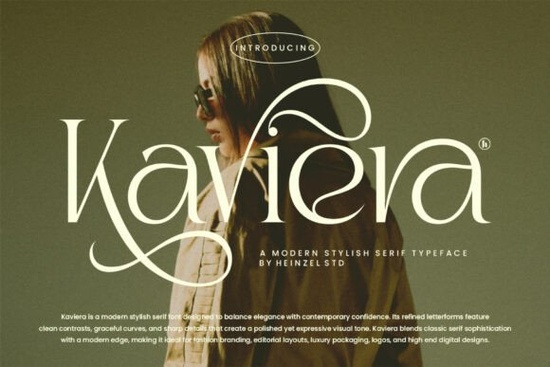
If you're looking for a modern serif font that feels both polished and approachable something that works just as well on a boutique clothing tag as it does in a digital magazine layout Kaviera Font is worth your attention. It’s not overly ornate, but it’s never plain. The letterforms are carefully balanced: soft curves meet crisp contrast, and the spacing feels intentional without being stiff. For designers, small business owners, and crafters who need typography with quiet confidence not loud gimmicks Kaviera fits naturally into real-world projects.
When does Kaviera work best?
Kaviera shines where tone and texture matter. Think of it as the kind of typeface you’d choose for a small-batch skincare label, a wedding invitation suite, or the masthead of an indie fashion zine. Its refined serifs carry heritage, but its rhythm and weight distribution feel current not like a museum piece reprinted for 2024. It’s especially effective at medium to large sizes: headlines, logos, short quotes, and packaging copy all benefit from its clarity and presence.
Because it’s a single-style serif (not a full family with multiple weights or italics), Kaviera works best when paired thoughtfully. Try it with a clean sans-serif for body text like Inter or Montserrat or layer it subtly over textured backgrounds where its contrast helps it hold its own. It’s not meant for long paragraphs of web copy, but it excels where you want readers to pause, recognize quality, and feel intention behind the design.
How does it compare to other modern serifs?
Not all modern serifs strike the same balance. Some lean too far into minimalism and lose warmth; others add too much flair and distract from the message. Kaviera sits comfortably in the middle. It shares some of the elegance of The Lancher Shine Font, but with tighter proportions and a slightly more grounded stance. Compared to Tuscany Shade, Kaviera feels less romantic and more structured better suited for contemporary branding than vintage-inspired stationery.
Unlike display serifs built purely for impact, Kaviera includes thoughtful OpenType features like ligatures and alternate characters small details that make a difference when you’re fine-tuning a logo or monogram. You won’t find swashes or decorative alternates here, which keeps it versatile and professional without extra clutter.
Who’s using Kaviera right now?
We’ve seen it used by print-on-demand sellers for minimalist apparel tags, local coffee roasters on bean bags and tasting cards, and independent authors designing book covers for literary fiction. One small ceramics studio uses it across their Instagram captions, product labels, and website hero text and customers consistently comment on how “calm but confident” the branding feels. That’s not accidental. Kaviera’s consistency across mediums helps build recognition without shouting.
For crafters creating digital planners or printable wall art, it adds sophistication without feeling cold. And because it’s optimized for both screen and print output, you won’t run into rendering issues when exporting PDFs or preparing files for professional printing.
What should you know before downloading?
Kaviera is a single-weight serif font (regular), delivered in OTF and TTF formats. It supports Latin-based languages including basic diacritics for French, Spanish, German, and Portuguese but doesn’t include extended Cyrillic or Greek coverage. If your project requires multilingual support beyond Western European languages, double-check the character map before purchase.
It’s licensed for both personal and commercial use, including use in client work, merchandise, and digital products you sell no extra fees or attribution required. You’ll get immediate access after purchase through Creative Fabrica, with no subscription needed. Just download, install, and start using it in your favorite design app.
If you're exploring alternatives, you might also consider The Lancher Shine Font, Kaviera Font, or Tuscany Shade Font each brings something different to the modern serif category, depending on whether you prioritize softness, structure, or subtle ornamentation.
Before you use Kaviera in a live project:
- Test it at actual size on screen and printed to confirm legibility and tone match
- Pair it with a neutral sans-serif for body text if using in layouts with longer copy
- Check the included OpenType features in your design software (ligatures often activate automatically in apps like Adobe Illustrator or Affinity Designer)
- Verify language support matches your audience’s needs
- Save a version of your file with outlines applied if sending to a printer or client unfamiliar with font embedding
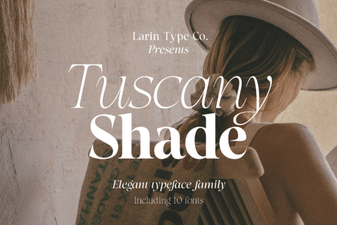 Designing with the Tuscany Shade Font
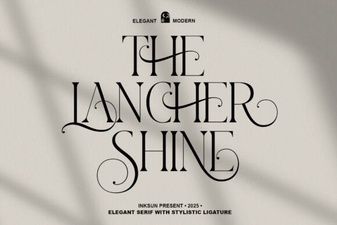 Craft Projects with the Lancher Shine Font
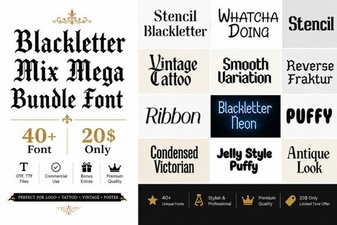 Gothic Blackletter Mix: Creative Font Bundle
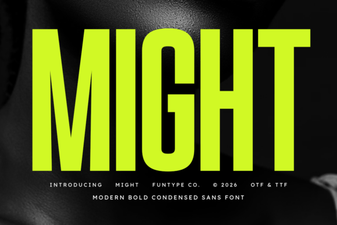 Might Font: Designing Bold and Memorable Typography
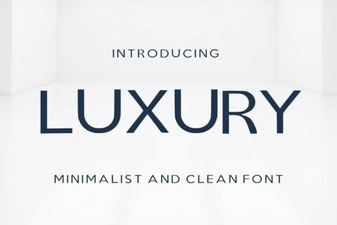 Elevate Your Designs with Luxury Typography
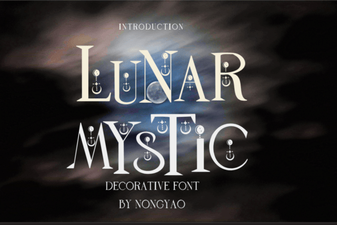 Lunar Mystic Font for Creative Design Projects