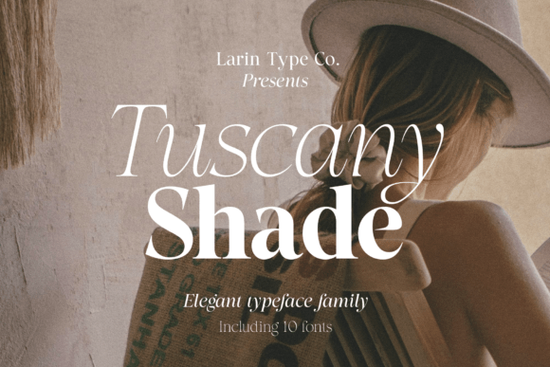
If you're looking for a serif font that feels both timeless and fresh something that works just as well on a boutique clothing tag as it does on a magazine cover you’ll likely appreciate Tuscany Shade Font. It’s not overly ornate, but it carries quiet confidence: high contrast between thick and thin strokes, clean lines, and a subtle warmth that makes it feel approachable without sacrificing elegance. Designers and small business owners often tell us they reach for it when they need typography that supports the message instead of competing with it.
What makes Tuscany Shade different from other serif fonts?
Unlike many serif families that lean heavily into either traditional calligraphy or stark minimalism, Tuscany Shade sits comfortably in the middle. Its five weights from extra light to bold give you real flexibility without needing to switch fonts mid-project. And because both the regular and true italic styles include all five weights, you can build consistent hierarchy across headings, subheads, and body text (even if you’re only using it for short phrases like product names or event titles).
This isn’t a display-only font. While it shines in headlines and logos, it’s also legible at smaller sizes especially in the medium and semi-bold weights making it practical for packaging details, book chapter titles, or even short descriptions in print-on-demand catalogs. You’ll notice it holds up well in both digital mockups and physical prints, whether you’re designing for Instagram ads or letterpress business cards.
Where do people actually use it?
We’ve seen Tuscany Shade Font used across a range of real-world projects:
- Fashion brand logos and seasonal lookbook headers
- Minimalist candle or skincare packaging (especially paired with soft neutral backgrounds)
- Editorial layouts for indie magazines and zines
- Wedding stationery where couples want something refined but not fussy
- Small-run book covers particularly memoirs, poetry collections, or lifestyle guides
It pairs naturally with lighter sans-serifs (like Montserrat Light or Inter) for contrast, or with other classic serifs if you want tonal harmony. One designer told us she uses it alongside The Lancher Shine Font for luxury beauty branding using Tuscany Shade for the brand name and The Lancher Shine for taglines to create subtle visual rhythm.
How does it compare to similar serif fonts?
If you’ve browsed Creative Fabrica’s serif collection, you might also be considering options like Kaviera Font, which has more pronounced calligraphic flair and works beautifully for feminine or artisanal brands. Tuscany Shade, by contrast, leans into structure and balance ideal when your focus is clarity and quiet sophistication.
It’s also more versatile than many “fashion serif” fonts that sacrifice readability for style. Some fonts in this category blur at small sizes or lose impact in digital thumbnails but Tuscany Shade stays crisp and distinct, even in compressed formats like Etsy listing previews or email newsletter headers.
Who is it best suited for?
This font suits creators who value consistency and subtlety over trend-driven flash. That includes:
- Print-on-demand sellers who design t-shirts, mugs, or tote bags with minimalist quotes or brand names
- Small studios building cohesive visual identities for local boutiques or wellness practices
- Crafters making custom invitations, labels, or gift tags where legibility and charm matter equally
- Self-publishing authors formatting their own book interiors or covers without hiring a designer
One craft business owner shared that switching from a generic Google Font to Tuscany Shade Font helped her handmade soap line stand out in crowded marketplaces not because it’s flashy, but because it made her listings feel intentional.
A quick note on licensing
The standard license covers personal and commercial use including selling physical products (like printed posters or embroidered patches) and digital goods (like Canva templates or Procreate brushes). Just double-check the license page if you plan to use it in apps, SaaS platforms, or broadcast media it’s always worth confirming scope before scaling.
Before downloading, ask yourself: Do I need a serif that balances contrast and clarity? Will I use multiple weights across one project? Is my audience drawn to understated refinement rather than bold novelty? If yes, Tuscany Shade Font is a practical, reliable choice not just another pretty font.
Next step: Open your current design file, swap in Tuscany Shade for your main heading, and try two weights side-by-side (e.g., Extra Light for a subtitle and Bold for the headline). See how much cleaner the visual hierarchy feels no extra plugins or tutorials needed.
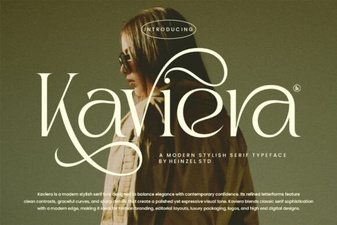 Kaviera Font: Design Ideas & Creative Applications
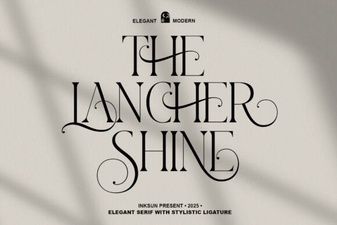 Craft Projects with the Lancher Shine Font
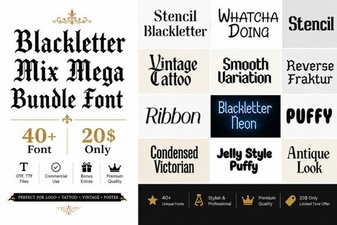 Gothic Blackletter Mix: Creative Font Bundle
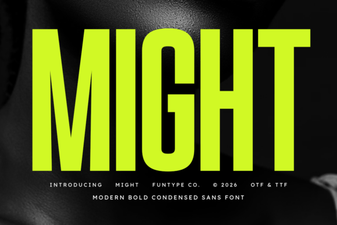 Might Font: Designing Bold and Memorable Typography
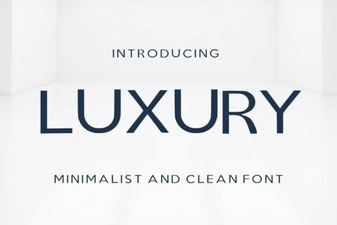 Elevate Your Designs with Luxury Typography
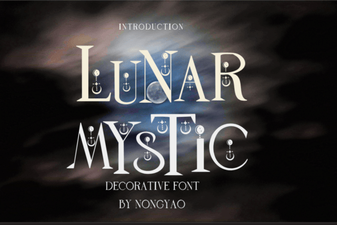 Lunar Mystic Font for Creative Design Projects